
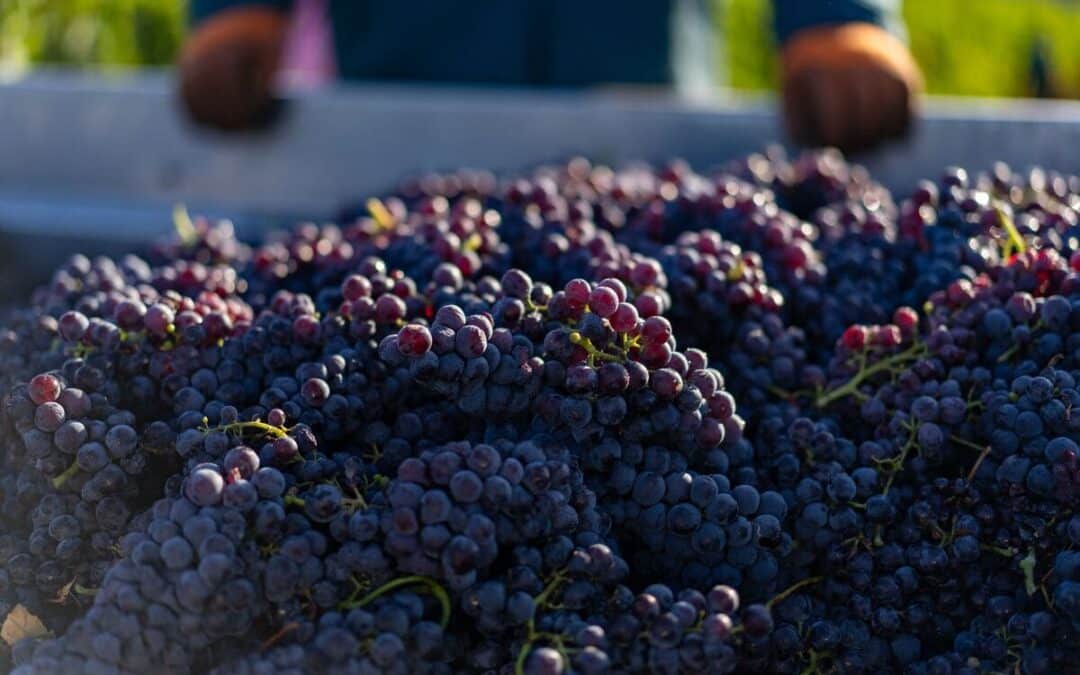
What does Barbera wine taste like? Barbera is typically bright, juicy, and fruit-forward, with flavours of cherry, raspberry, plum, and sometimes blackberry, backed by high acidity and relatively low tannin. In plain terms, it tastes fresh and lively rather than heavy or strongly drying. Depending on how it is made and aged, Barbera can also show dried herbs, black pepper, vanilla, cocoa, or other spice notes.
In Amador County, the grape can keep that fresh acidity while showing ripe fruit and a rounder feel. This guide breaks down the Barbera flavor profile, tasting notes, young versus aged styles, Italian and Amador examples, serving temperature, glassware, and food pairings.
Barbera Tasting Notes at a Glance
Barbera is known for its lively fruit, fresh acidity, and smooth texture, but each element plays a different role in the glass. Use these Barbera tasting notes as a quick reference for the flavours, structure, and sensations you can typically expect when tasting the wine.
|
Tasting Element |
Typical Barbera Character |
|
Fruit |
Cherry, raspberry, plum, and sometimes blackberry |
|
Acidity |
High and mouthwatering |
|
Tannin |
Generally low, creating less of a drying sensation |
|
Body |
Usually medium to full |
|
Spice and Herbs |
Black pepper, dried herbs, and savoury notes can appear |
|
Oak |
Oak-aged styles can show vanilla, cocoa, and spice |
|
Overall |
Juicy fruit balanced by fresh acidity rather than heavy tannin |
The Barbera Flavor Profile
The overall Barbera wine taste is shaped by the contrast between ripe fruit and naturally high acidity. Cherry, raspberry, and plum are common starting points, with darker fruit such as blackberry appearing in some styles. Spice, dried herbs, and savoury notes can add another layer, while oak aging may introduce vanilla, cocoa, clove, or baking-spice characteristics.
Acidity is one of Barbera’s defining traits. In plain language, acidity is the fresh, mouthwatering sensation that makes a wine feel lively. Barbera also tends to have relatively low tannin. Tannin creates the drying or gripping feeling you sometimes notice on your gums, so lower tannin helps explain why Barbera can feel smooth even when the wine has plenty of flavour and body.
These Barbera wine characteristics can vary with vineyard conditions, vintage, ripeness, fermentation, and aging choices, so no two Barberas will taste exactly alike.
How Does Barbera’s Flavor Change With Age?
Young Barbera usually puts fresh fruit and acidity front and centre, with flavours such as cherry, raspberry, and plum, and a lively finish. As Barbera ages, particularly when oak is used, the Barbera tasting notes can become more layered, with riper fruit alongside vanilla, cocoa, spice, and savoury notes.
The exact changes depend on the vintage, producer, winemaking approach, and storage. Scott Harvey Wines also notes that its Barbera range includes wines intended to show aging potential, with mature examples developing additional savoury and earthy characteristics while retaining the grape’s acidity.
Barbera in Amador County
Barbera originated in Italy’s Piedmont region, but it has also become closely associated with Barbera in Amador County. The grape’s natural acidity remains an important part of the style, while the region’s warm growing conditions can produce ripe cherry, plum, blackberry, and other concentrated fruit flavors.
That means an Amador County Barbera can retain the freshness people associate with the grape while showing a riper fruit profile. Scott Harvey Wines describes its own Barbera wines with characteristics including dark cherry, plum, clove, mocha, and oak-influenced notes depending on the bottling.
What Wines Taste Similar to Barbera?
- Sangiovese: Shares Barbera’s cherry fruit and noticeable acidity, but often has firmer tannin and a more savoury character.
- Pinot Noir: Can also offer fresh red fruit and lively acidity, although it is commonly lighter in body.
- Zinfandel: Often shares ripe fruit and spice with Barbera but tends to feel richer, while Barbera’s acidity usually plays a more obvious role.
These similarities are useful starting points rather than exact matches, since vineyard location, vintage, and winemaking can substantially affect the final wine.
How to Enjoy Barbera Wine
One of Barbera’s strengths is how naturally it works with food. Its bright acidity and fruit-forward character make it a good match for everything from pasta Bolognese and Margherita pizza to barbecued ribs and burgers. A successful Barbera wine food pairing works especially well with rich, tomato-based, smoky, or savory dishes because the wine’s acidity helps keep each bite feeling fresh.
Barbera can also be served slightly cooler than typical room temperature, which can bring more attention to its fruit and acidity. If you want to compare these Barbera tasting notes in person, Scott Harvey Wines offers Amador wine tasting at its Plymouth and Sutter Creek tasting rooms, where visitors can taste wines from across the portfolio and learn more about their flavor profiles.
Discover Barbera at Scott Harvey Wines
At Scott Harvey Wines, Barbera is part of the winery’s Amador County portfolio, where ripe fruit and fresh acidity are central to its character. What does Barbera wine taste like? Typically, you can expect cherry and plum flavours, lively acidity, softer tannins, and possible hints of spice or oak depending on the bottling.
Tasting Barbera alongside other reds can also make its Barbera flavor profile easier to recognise, especially the balance between fruit, acidity, and smooth texture.
Frequently Asked Questions About Barbera Wine
Is Barbera Wine Sweet or Dry?
Barbera is generally made as a dry red wine, but its ripe fruit can make it seem sweeter than it is. Typical Barbera tasting notes include cherry, raspberry, plum, and sometimes blackberry. Bright acidity keeps the wine fresh, while oak-aged styles may add vanilla, cocoa, clove, or spice without adding actual sweetness.
Is Barbera Light or Full-Bodied?
Barbera is usually medium-bodied, although some styles can feel fuller depending on ripeness, vineyard conditions, and winemaking. The Barbera flavor profile combines relatively low tannin with high acidity, creating a smoother texture and lively finish. These Barbera wine characteristics help the wine feel generous and flavourful without becoming especially heavy or drying.
Does Barbera Have High Tannins?
Barbera generally has relatively low tannin, which is one reason the wine often feels smooth and approachable. Tannin creates the drying or gripping sensation you may notice around your gums in some reds. With Barbera, acidity provides more of the structure, helping the Barbera wine taste fresh rather than heavily tannic.
Should Barbera Wine Be Chilled?
Yes. Barbera can be served slightly chilled, with around 55 to 60°F working well for many styles. A cooler serving temperature can keep the fruit lively and the acidity fresh without muting the aromas. Serving it too cold may make the wine seem less expressive, so a light chill is usually enough.
What Food Pairs Well With Barbera?
A good Barbera wine food pairing takes advantage of the grape’s bright acidity and ripe fruit. Tomato-based pasta, pizza, grilled meats, barbecue, burgers, and aged cheeses can all work well. The acidity helps refresh the palate after richer foods, while cherry and plum flavours complement savoury, smoky, and tomato-driven dishes.
What Does Barbera Taste Like Compared With Zinfandel?
Barbera and Zinfandel can both show ripe fruit and spice, but they usually feel different in the glass. Zinfandel often tastes richer and fuller, while Barbera is typically fresher because of its higher acidity and lower tannin. If you are asking what Barbera wine tastes like, expect a brighter, smoother red with lively fruit.