
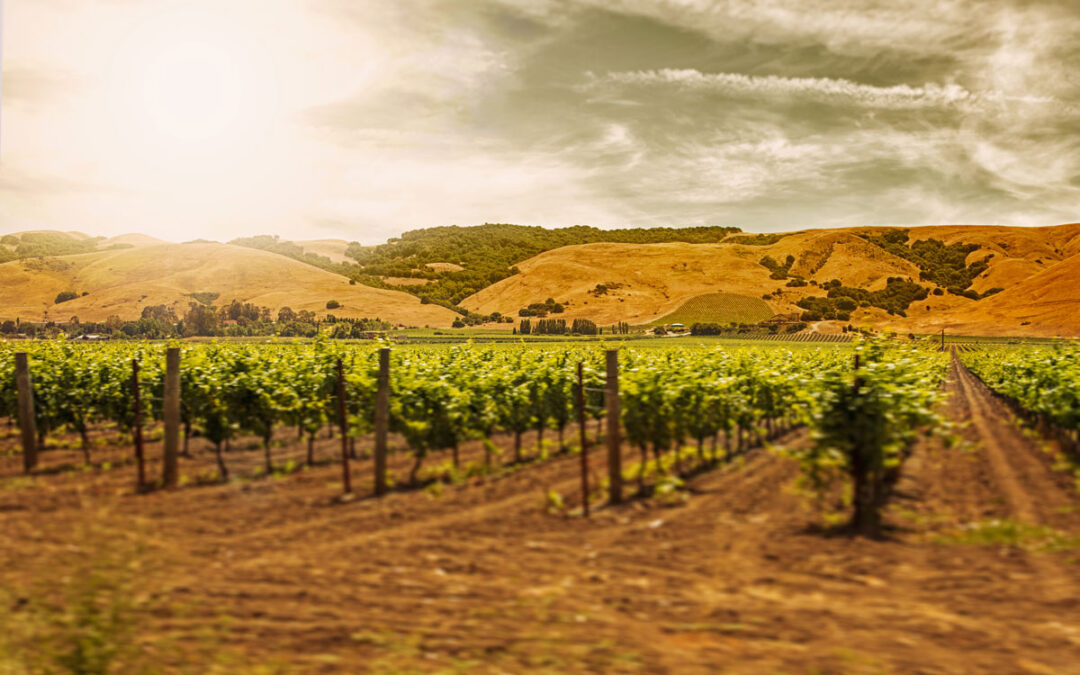
Tucked into the Sierra Foothills of Amador County, Shenandoah Valley stands as one of California’s best-kept wine secrets. While Napa draws the crowds, this rolling terrain of volcanic soils and century-old vines crafts bold Zinfandels and elegant Barberas that tell the story of California’s true winemaking heritage.
Why Shenandoah Wineries Deserve Your Attention
Shenandoah Valley’s elevation—ranging from 1,200 to 1,800 feet—creates a climate where grapes ripen under warm days and cool down during crisp Sierra nights. This daily temperature swing preserves acidity while building concentrated fruit flavors. The result? Wines that balance power with finesse.
The region’s red volcanic soils, remnants of ancient lava flows, give Shenandoah wines their distinctive mineral backbone. When you taste the spice in a Shenandoah Zinfandel or the bright cherry notes in a Barbera, you’re tasting geology translated into flavor.
The Best Wineries in Shenandoah Valley CA for Wine Lovers
For Old-Vine Zinfandel
Shenandoah Valley earned its reputation on Zinfandel. Vines planted in the 1800s still produce fruit here—gnarled trunks yielding small clusters of intensely flavored grapes. These old vines dig deep, pulling character from 30 feet below the surface. The wines they produce show layered complexity: blackberry jam, white pepper, and a hint of leather.
Story Winery overlooks a 130-year-old vineyard where ancient vines still produce concentrated fruit. Sobon Estate (formerly Shenandoah Vineyards), founded in 1977 by Leon and Shirley Sobon, operates at the highest elevations in Shenandoah Valley, where sustainably-farmed estate grapes benefit from choice microclimates.
Yet even among these historic sites, one vineyard stands apart. Scott Harvey Wines crafts Vineyard 1869, sourced from the Original Grandpère Vineyard—the oldest documented Zinfandel vineyard in America. Planted around 1866 and recorded in an 1869 land deed, these ancient, head-trained vines still produce intensely flavored fruit from a 10-acre site that remains one of Shenandoah’s most prized sources. Only four wineries in California receive grapes from the Original Grandpère: Scott Harvey Wines, Vino Noceto (whose OGP Zinfandel showcases 100% fruit from the vineyard), Andis Wines, and Lodi’s Macchia Wines.
Scott Harvey’s decades-long relationship with the vineyard shows in every bottle of Vineyard 1869. The wine balances elegance with Amador’s characteristic intensity—bright raspberry and blackberry notes lifted by dusty minerality and persistent acidity. When you taste these wines, you’re experiencing living history: vines that survived the Gold Rush, Prohibition, and 150+ years of California’s wine evolution.
For Barbera That Shines
While Zinfandel built the region’s fame, Barbera defines its future. This Italian varietal thrives in Shenandoah’s conditions, producing wines with bright acidity, red fruit purity, and food-friendly structure. Pour a Shenandoah Barbera alongside grilled sausages or mushroom risotto, and you’ll understand why this grape belongs here.
Scott Harvey Wines pioneered Barbera in Amador County, bringing decades of expertise to showcase how this Italian variety expresses Shenandoah terroir. Vino Noceto has specialized in Sangiovese for over three decades, producing eight different expressions alongside Barbera and other Italian varieties. Amador Cellars focuses on Mediterranean wines with estate-grown Zinfandel and Italian, Spanish, and Rhône Valley varietals in their Tuscan-style tasting room.
For Hands-On Experiences
The best wineries in Shenandoah Valley for wine tasting offer more than a pour—they offer connection. Small family operations dominate the landscape. You’ll meet the people who prune the vines, hand-sort the harvest, and monitor fermentation through the night. These aren’t corporate tasting rooms; they’re working farms where winemakers pull you into the process.
Rubidoux Ridge Vineyard welcomes visitors to their 75-acre hilltop winery in historic Fiddletown, where John and Marianne share their “Labor of Love” through Pet Nat sparklings and Italian-style wines. Belledor Vineyards, started by the Frazier family in 2015, brings fresh energy to the region with award-winning wines and a serene estate setting. Karmère Vineyards offers tastings in a French-style chateau, including future releases straight from the barrel.
Discover the Best Wineries in Shenandoah Valley for Wine Tasting
What Makes a Visit Memorable
Shenandoah wineries embrace a different pace. You won’t rush through eight wines in 20 minutes. Instead, expect unhurried conversation, barrel samples, and stories about the vintage. Many tasting rooms occupy historic buildings—former barns, ranch houses, or stone cellars—adding tangible history to each visit.
Spring brings mustard blooms between vine rows. Fall harvest season fills the air with fermenting grape aromas. Even mid-summer visits reward you with vineyard views stretching toward the Sierra peaks.
Beyond the Glass
Explore Top Shenandoah Valley CA Wineries for Wine Lovers by pairing your tastings with local food. Several wineries partner with artisan cheese makers, charcuterie producers, and food trucks. Others host concerts, art shows, and seasonal festivals that transform tasting rooms into gathering spaces.
The intimate scale of Shenandoah wineries allows for genuine connection. Questions about winemaking techniques? Ask the winemaker directly—they’re often pouring your tasting. Curious about organic farming practices? Walk the vineyard rows and see the cover crops yourself.
Planning Your Visit to Wineries in Shenandoah Valley
Getting There
Shenandoah Valley sits roughly 50 miles southeast of Sacramento and 120 miles from the Bay Area. Highway 49—the historic Gold Rush route—runs through the region, connecting tasting rooms along scenic back roads. Plan for winding drives past oak-studded hills and old mining towns.
Most wineries cluster along Shenandoah Road and Steiner Road, making it easy to visit multiple locations without extensive driving. The compact geography means you can taste at four or five wineries in an afternoon while still having time to enjoy lunch at a local bistro.
When to Go
Each season offers distinct advantages. Harvest (September through October) brings palpable energy as grapes arrive at the crush pad and fermentation begins. Spring shows the valley at its greenest, with wildflowers and new vine growth. Summer weekends draw larger crowds but also feature the most events and live music.
Weekdays and winter months offer quieter experiences. You’ll have more one-on-one time with winery staff and deeper conversations about the wines. Some tasting rooms require reservations—check ahead to secure your spot.
What to Expect
Tasting fees typically range from $15 to $25, often waived with purchase. Most wineries focus on their estate-grown varieties: Zinfandel, Barbera, Sangiovese, and sometimes Rhône blends. Family-friendly policies vary—call ahead if bringing children or pets.
Come prepared for warm days (especially June through September) and bring a designated driver or book a tour service. The relaxed atmosphere encourages lingering, so don’t over-schedule your day.
The Heritage Behind Shenandoah Wineries
Gold Rush Roots
Italian and Swiss immigrants planted Shenandoah Valley’s first commercial vineyards in the 1850s, supplying wine to Gold Rush miners. When many California wine regions fell to subdivision pressure, Shenandoah’s distance from major cities preserved its agricultural character. Those original Italian varieties—Barbera, Sangiovese, and yes, Zinfandel—still anchor many estate vineyards today.
Modern Renaissance
A winemaking revival began in the 1970s when young vintners recognized Shenandoah’s potential. They restored old vineyards, planted new blocks, and applied modern technique to traditional varieties. Today’s Shenandoah wineries blend that pioneering spirit with 150 years of accumulated knowledge.
Sip the Story at Scott Harvey Wines
Our tasting rooms in Plymouth and Sutter Creek welcome you to experience Shenandoah Valley terroir through estate-grown Barbera, Old Vine Zinfandel, and artisan blends. Four decades of winemaking expertise shape every bottle, while our unpretentious approach makes every visitor feel like family.
Visit us to taste wines that capture Amador County’s sun-soaked slopes and volcanic soils. Join us by the tasting bar to explore how altitude, vineyard site, and winemaking choices create distinct expressions in each vintage. Our team shares the stories behind the wines—from pruning decisions to harvest timing to barrel selection.
Book your tasting experience at scottharveywines.com/visit or join us for one of our seasonal events at scottharveywines.com/our-events.
Your Shenandoah Valley Wine Adventure Awaits
The best wineries in Shenandoah Valley CA for an unforgettable experience don’t require reservations months in advance or dress codes. They require curiosity, a willingness to try something new, and appreciation for the people who grow grapes and make wine because they love the land.
Pack a picnic, gather your friends, and point your car toward the Sierra Foothills. Wineries in Shenandoah Valley stand ready to pour you something remarkable—wines that reflect California’s winemaking heritage and the volcanic soils that make this region unlike any other.